
What we do
& How we do it
Our Village
In Paediatrics, Occupational therapists work with children with a variety of difficulties including:
-
Sensory Integration difficulties
-
Neuro-developmental delays
-
Gross and fine motor delays including coordination and motor planning difficulties
-
Poor Visual Perceptual skills
-
Attention and concentration difficulties
-
Inability to complete tasks, organise their environment, struggling to follow instructions and poor work ethics
-
Difficulties with reading, spelling and writing
-
Socio-emotional delays
Sensory Integration therapy
Sensory Integration therapy supports children in understanding and responding to sensory information in a more organised and effective way. Through play-based, purposeful activities, therapy helps children improve their ability to process sensations such as touch, movement, sound, and balance, enabling better regulation, attention, coordination, and participation in everyday activities.

& how we do it
What we do


Referral
Children may be referred by healthcare professionals or teachers. Parents can also contact an Occupational Therapist directly.

Information Gathering
A parent interview and questionnaires are completed.
This helps understand the child at home and school.

Assessment
Assessments may include standardised tests and observations.
Information is combined to build a holistic view.

Feedback & Therapy Plan
Feedback is shared with parents and sometimes teachers. Therapy goals, frequency, and support strategies are agreed upon.
The Occupational Therapy process

MAES Therapy
MAES Therapy (Movement Analysis and Education Strategies) MAES Therapy is a treatment approach to optimise, with a long-term view, the development of babies and children with a variety of neurodevelopmental conditions; such as Cerebral Palsy (CP). Also similar conditions that may be unexplained or undiagnosed. MAES Therapy is available for children of all ages where a neurological problem prevents them from following a normal course of development.
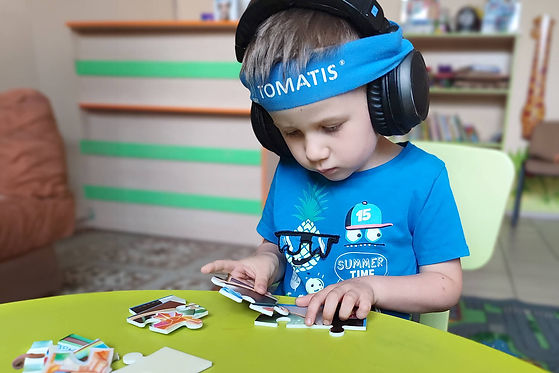
Tomatis Programme
The Tomatis Programme is a listening-based intervention that uses specially processed music and sounds to stimulate the auditory system and support neurological development. In occupational therapy, it is used to promote improved attention, emotional regulation, sensory processing, and communication by enhancing the brain’s ability to process and integrate auditory information effectively.

Early Childhood Intervention
Early Childhood Intervention focuses on supporting young children during their critical early years of development to build strong foundations for future learning and participation. Through play-based, family-centred therapy, occupational therapy addresses developmental delays early, empowering caregivers with strategies that promote growth, independence, and meaningful engagement in everyday activities.
Interactive Metronome
Interactive Metronome user service is a computer-based therapy program that improves timing, coordination and rhythm in the body and brain. It helps strengthen attention, motor planning, balance, coordination and self-regulation by training the brain to process information more accurately and efficiently. This evidence-based intervention is often used to support individuals with difficulties in attention, learning, coordination, emotional regulation and executive functioning.


School-based intervention
School-based intervention and support focus on helping children participate successfully in the academic and social demands of the classroom. Occupational therapy works collaboratively with educators and families to address skills such as attention, sensory regulation, motor coordination, and organisation, ensuring children are supported within their learning environment to reach their full potential.